Showing posts with label report. Show all posts

Thursday, July 12, 2018

Common Ground Art, Data, and Ecology at New York State Field Stations

"This report assesses the potential for collaboration in New York State between the arts and field stations: places and programs where scientific researchers conduct long-term studies of diverse ecosystems. It provides an overview of how and where this transdisciplinary work is currently taking place, and makes recommendations to advance this effort across the state. It seeks to encourage further opportunities for artists that, when combined with environmental research, can aid community development and quality of life by advancing awareness of social-ecological systems: how people use, perceive, and shape our environment."
The report finds that art/science collaboration at field stations is powerful, and advances a series if recommendations in 3 emphasis areas:

1). Advance existing art residencies at field stations: These programs would benefit from support for planning and implementation of programs; evaluation; and connection to national gatherings and conversations.

2). Share information and best practices from across the field: a centralized and accessible information resource—including case studies, best practices, documentation, and a directory of representative artists—would help field stations conceptualize programs and make the case for support within their institutions and externally, and in NYS and beyond, spread documentation of the transformative outcomes of this work.

3). Create formal and informal opportunities for crosssector networking: Our convening demonstrated the value of cross-sector dialogue, and underscored the need for more such opportunities including facilitated conversations between field stations, regional art and science salons, a statewide conference, and a data, art, and environment working group.

Read the entire report here

Wednesday, July 4, 2018

Advancing "One Water" Through Arts and Culture: A Blueprint for Action


"The US Water Alliance believes that arts and culture can move the needle for One Water management—an approach to water management that is inclusive and integrated to ensure a sustainable water future for future generations...

The urgent and multifaceted nature of our water challenges calls for new ways of thinking, acting, and investing. Water leaders across the nation are embracing the One Water approach—managing water resources in a more integrated, inclusive, and sustainable manner in order to secure a bright and prosperous future for our children, communities, and country.

ArtPlace America and the US Water Alliance believe there is tremendous opportunity to utilize arts and culture strategies to advance One Water. As creative thinkers and doers, artists can be powerful partners for water leaders seeking to reimagine traditional approaches to water planning and management and connect with communities in new ways.

Our partnership has been a collaboration in the finest sense of the word. Together we learned about each other’s sectors, challenged assumptions, and have developed a powerful framework for how to use arts and culture to forge One Water progress. We are so inspired by the creative ways that utilities, environmental groups, public agencies, and other water practitioners are collaborating with artists and cultural leaders. But it is only the beginning."
Read the full report here

Tuesday, May 22, 2018

Grand Challenges in Environmental Sciences

I keep having to look these up, so I thought I'd make a post for everyone's future reference!


Environmental science often refers to the Grand Challenges. These are the key issues facing humans in the 21st century, and there is some back and forth discussion about what they are, of course. But a report from the National Academy of Sciences in 2001--"Grand Challenges in Environmental Sciences"--synthesized the results of a prestigious working group exploring this issue over several years, capturing the concept in 8 challenges:
  1. BIOGEOCHEMICAL CYCLES: The challenge is to understand how the Earth's major biogeochemical cycles are being perturbed by human activities; to be able to predict the impact of these perturbations on local, regional, and global scales; and to determine how these cycles may be restored to more natural states should such restoration be deemed desirable.
  2. BIOLOGICAL DIVERSITY AND ECOSYSTEM FUNCTIONING: The challenge is to understand the regulation and functional consequences of biological diversity, and to develop approaches for sustaining this diversity and the ecosystem functioning that depends on it.
  3. CLIMATE VARIABILITY: The challenge is to increase our ability to predict climate variability, from extreme events to decadal time scales; to understand how this variability may change in the future; and to assess its impact on natural and human systems.
  4. HYDROLOGIC FORECASTING: The challenge is to predict changes in freshwater resources and the environment caused by floods, droughts, sedimentation, and contamination in a context of growing demand on water resources.
  5. INFECTIOUS DISEASE AND THE ENVIRONMENT: The challenge is to understand the ecological and evolutionary aspects of infectious diseases; to develop an understanding of the interactions among pathogens, hosts/receptors, and the environment; and thus to make it possible to prevent changes in the infectivity and virulence of organisms that threaten plant, animal, and human health at the population level.
  6. INSTITUTIONS AND RESOURCE USE: The challenge is to develop a systematic understanding of the role of institutions—markets, hierarchies, legal structures, regulatory arrangements, international conventions, and other formal and informal sets of rules—in shaping systems for natural resource use, extraction, waste disposal, and other environmentally important activities.
  7. LAND-USE DYNAMICS: The challenge is to develop a systematic understanding of changes in land uses and land covers that are critical to biogeochemical cycling, ecosystem functioning and services, and human welfare.
  8. REINVENTING THE USE OF MATERIALS: The challenge is to develop a quantitative understanding of the global budgets and cycles of key materials used by humanity and of how the life cycles of these materials may be modified. Among the materials of particular interest for this grand challenge are those with documented or potential environmental impacts, those whose long-term availability is in some question, and those with a high potential for recycling and reuse. Examples include copper, silver, and zinc (reusable metals); cadmium, mercury, and lead (hazardous metals); plastics and alloys (reusable substances); and CFCs, pesticides, and many organic solvents (environmentally hazardous substances).
You'll note that "Climate Change" is not listed, but it drives and aggravates all of the other challenges. There is much more to say about why these particular issues are so critical. You can read more about it in the report.

Wednesday, May 16, 2018

Long-awaited paper now out

The Integration of the Humanities and Artswith Sciences, Engineering, and Medicine inHigher Education: Branches from the Same Tree (read online, or order a hard copy).

The National Academy of Sciences commissioned this report on the value of STEMM integration in higher education. From a highlights document:
"This study examined an important trend in higher education: integration of the humanities and arts with sciences, engineering, and medicine at the undergraduate and graduate level—which proponents argue will better prepare students for work, life, and citizenship...This movement in higher education raises an important question: what impact do these curricular approaches have on students? 
To address this question, the National Academies of Sciences, Engineering, and Medicine formed a 22-member committee to examine 'the evidence behind the assertion that educational programs that mutually integrate learning experiences in the humanities and arts with science, technology, engineering, mathematics, and medicine (STEMM) lead to improved educational and career outcomes for undergraduate and graduate students.' The committee conducted an in-depth review and analysis of the state of knowledge on the impact of integrative approaches on students."
 The results are encouraging:
"Aggregate evidence indicates that some approaches that integrate the humanities and arts with STEMM are associated with positive learning outcomes. Among the outcomes reported are increased critical thinking abilities, higher-order thinking and deeper learning, content mastery, problem solving, teamwork and communication skills, improved visuospatial reasoning, and general engagement and enjoyment of learning. 
An important observation was that the kinds of outcomes associated with certain integrative approaches in higher education are the educational outcomes that many employers presently seek. Employer surveys consistently show that employers want well-rounded individuals with a holistic education who can take on complex problems and understand the needs, desires, and motivations of others. Importantly, these learning goals and competences are similarly valued by institutions of higher education. The committee considered multiple forms of evidence as it developed the following recommendations for institutions, faculty, administrators, scholars of higher education, and federal and private funders. The recommendations fall under four main areas:"

  1. Support for Integrative Approaches
  2. Evaluating Integrative Courses and Programs
  3. Enhancing Inclusivity Through Integrative Courses and Programs
  4. Removing the Barriers to Integrative Approaches 
The paper concludes that:
"Higher education should strive to offer all students—regardless of degree or area of concentration—an education that exposes them to diverse forms of human knowledge and inquiry and that impresses upon them the fact that all disciplines are 'branches of the same tree.' Such an education should empower students to understand the fundamental connections among the diverse branches of human inquiry—the arts, humanities, sciences, social sciences, mathematics, engineering, technology, and medicine."

Friday, October 27, 2017

Helicon report on Socially Engaged Artistic Practice

 "A working definition of “socially engaged art” is artistic or creative practice that aims to improve conditions in a particular community or in the world at large"

Strangely, socially engaged art generally doesn't refer to art that addresses environmental issues from an ecological perspective. This kind of art can change policy and effect cultural change around the grand environmental challenges of the 21st century. Environmental issues are at the root of much social injustice.

Nevertheless, this recent report may offer useful insight into artistic practices that could complement and extend the science occurring at field stations and marine labs. More info about the report here:
"Mapping the Landscape of Socially Engaged Artistic Practice
Alexis Frasz & Holly Sidford
Helicon Collaborative
#artmakingchange

Monday, June 19, 2017

On Sustainability and Art: artist Hannalie Coetzee

Fire-created artwork.
ART AFRICA looks at the practice of artist Hannelie Coetzee. "Hannelie Coetzee’s artwork draws attention to our warped relationship with nature through pragmatic, solution oriented interventions."

The article also includes highlights of a fascinating discussion between the artist's associates and collaborators.

Some interesting quotes from the article:
The more intuitive approach of artists can provide a window into the complex models, calculations and simulations of the scientific world… Natural world issues require more than just a technical fix. They require systems of thinking and creativity to imagine and illustrate the best possible solutions. -- Prof. Caroline Digby from the Wits Centre for Sustainability in Mining and Industry
Sustainability is not primarily a scientific problem; rather, it requires us as citizens, communities and societies to rethink the way in which we live our personal lives… This requires engaging the hearts, minds and imaginations of a wide set of people across many different spheres of society. Artists have a particularly important role to play in this regard – not only in creating a space that can help bridge and connect between different actors, but in contributing and opening our minds to completely new ways of seeing the world and our place in it. -- Dr. Reinette Biggs of the Stockholm Resilience Institute and the University of Stellenbosch
How can art and science integrate into a discipline or collaboration that aids transformative understanding?

Art is the expression of creative ideas that are likely informed by prior knowledge but not restricted by natural, economic or social rules. Science is a knowledge that we have built through methodical enquiry over many generations into how nature, economics and society work. When art is introduced into science, it gives permission to seek different ways of addressing the same problem. It enables one to leapfrog or do a U-turn. As stated in New Roles for Art Are Clarified (Carney 2010), Tim Collins declares that, “while replicable fact is the domain of science, human perception and value are the domains of art and the humanities. – Philipp Kirsch, University of Queensland

How do such partnerships reach wider audiences?

I have been astounded by how much easier it is to interest people in the science when it is encompassed in an artwork. Before, I was only talking to the small community of people who were already thinking about these issues. People like the art – and they like the idea that the art has some scientifc substance behind it. Some, not all of them, want to know more details about our science questions and I am challenged to maintain their interest and expand it. – Sally Archibald, WITS
How can partnerships between artists and scientists contribute to resilient systems and change?

The data on climate change is indisputable, but how does one develop an emotional appreciation of the potential consequences? I think this must come through experience and art is a fantastic mechanism to develop emotional experiences and consider possibilities. – Caroline Lehmann, Biogeography, University of Edinburgh

How has an artist’s work influenced your work and vice versa?

Hannelie sometimes brings aspects that I think of as ‘outside’ the system, into the discussion. At its simplest, ecology is the study of the interactions between organisms and their environment and it is refreshing to have a different take on the shape and form of these interactions. – Sally Archibald

I started to write a conference paper about the potential to re-imagine mining overburden as a building material. To change the way that the industry framed everything as waste rock, waste dumps, waste piles etc. In researching this, I uncovered the genre of Land Art. These artists have given considerable thought to moving earth to make art. I strongly believe in the potential for artists to create not just new mine closure landscapes, but to also drive improved community relations when working side-by-side with the engineers and financial managers in mine planning and operations. – Phillip Kirsch

Read complete article here.

Sunday, June 11, 2017

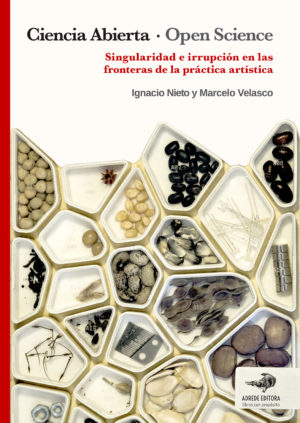
Open Science: Singularity and Irruption on the Frontiers of Artistic Practice

"'Open Science: Singularity and Irruption on the Frontiers of Artistic Practice' is research that deals with the work done by artists who [are trained in and] use scientific methodologies for their work production."

The publication proposes that when artists undertake science, their questions, methodologies and results are different than those of non-artistic scientists, and based in their very different "premises, ethics, prior knowledge, liberties, problematizations and aesthetics."

"The publication works with the hypothesis that art can produce knowledge, reviewing the relationship between art and science, based on interviews with five artists residing in different countries: Dmitry Bulatov (Russian Federation), Susana Soares (Portugal), Rachel Mayeri (USA), Gilberto Esparza (Mexico) and Perdita Phillips (Australia)."

Thursday, February 11, 2016

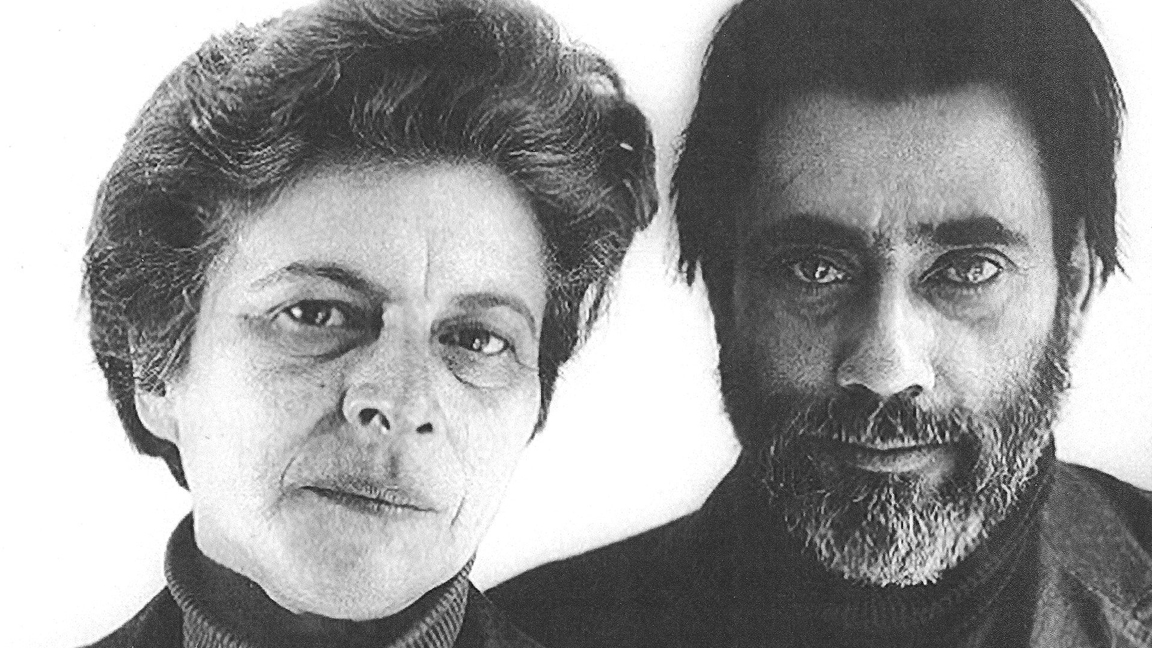
How two Santa Cruz artists changed the course of environmental history

KQED recently produced this profile of Helen and Newton Harrison, the parents of the eco-art movement. The piece includes a radio broadcast, and a more detailed web article with photos.
"Widely known as the parents of the eco-art movement, the Harrisons have become world-renowned for using art to tackle environmental problems on a massive, global scale."
The Harrisons partnered with UC Berkeley's Sagehen Creek Field Station and the Center for Art + Environment at the Nevada Museum of Art for a project looking at native vegetation manipulations to mitigate snowpack conversion to rain. This is part of a larger, worldwide, climate-themed effort they call "Force Majeure" that seeks to find answers to thorny environmental issues.

More info about the Harrison Project at Sagehen.

Thursday, October 15, 2015

a2ru Newsletter and Best Practices

a2ru has some interesting things happening next month, including the 2015 conference, and the publication of the Mellon Guide to best practices in the integration of arts practice in US research universities.

You can already read the interim reports from this process. These reports are directly relevant to FSML programs, and might help you get out in front, and/or find support within your university administration.
Here's the latest newsletter.

Monday, July 27, 2015

Great article on science that was inspired by art!


This article (and references) from 2011 is so good, I'm pasting the whole thing in, just in case it vanishes from the original source at Science Blogs!

Also see this post.

=================
Most people are at a loss to be able to identify any useful connections between arts and sciences. This ignorance is appalling. Arts provide innovations through analogies, models, skills, structures, techniques, methods, and knowledge. Arts don’t just prettify science or make technology more aesthetic; they often make both possible.

That cell phone or PDA you’re carrying? It uses a form of encryption called frequency hopping to ensure your messages can’t easily be intercepted. Frequency hopping was invented by the composer George Antheil in collaboration with the actress Hedy Lamarr. Yeah, really.

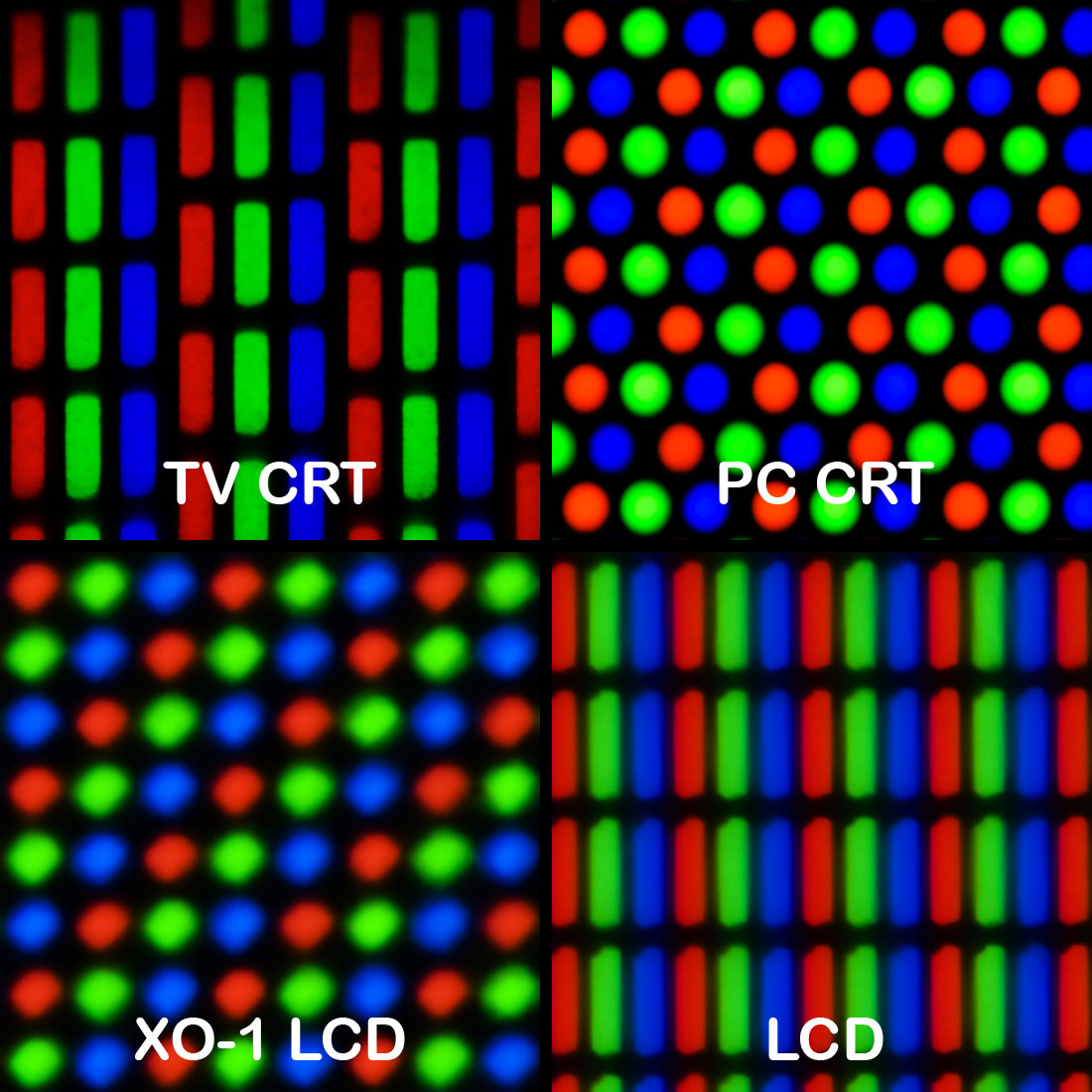
The electronic screen that displays your messages (not to mention the ones on your computer and your TV), they employ a combination of red, green, and blue dots from which all the different colors can be generated. That innovation was the collaboration of a series of painter-scientists (e.g., American physicist Ogden Rood and German Nobel laureate Wilhelm Ostwald) and post-impressionist artists such as Seurat – you know, the guy who painted his pictures out of dots of color, just like the ones in your electronic devices…

The first programmable device was invented by J. M. Jacquard to control the looms that made his tapestries and exactly the same technique was used to program the first computers. He also made the first digital image – out of black and white threads. In fact, the computer chips that run virtually all our devices today are made using a combination of three classic artistic inventions: etching, silk screen printing, and photolithography. 

Data from NASA and NSA satellites is enhanced using artistic techniques such as chiaroscuro (a Renaissance invention) and false coloring (the Fauvists) to increase the contrast so it’s easier to perceive the important information. Artists figured out how to hide information, too. Camouflage was invented by the American painter Abbot Thayer, who was unable to convince Teddy Roosevelt to use it in the Spanish American war. By WWI, however, painters such as the Vorticists in England and the Cubists in France were co-opted by their governments to design prints to protect troops, equipment, and planes.

In medicine, the stitches that permit a surgeon to correct an aneurysm or carry out a heart transplant were invented by American Nobel laureate Alexis Carrel, who took his knowledge of lace-making into the operating room. That pace maker you use: it’s a simple modification of a musical metronome. If you have a neurological deficit, your neurologist may employ dance notation to analyze your problem. The stent that was implanted in your aorta to keep it open, that was designed using the principles of origami.

Oh, and that bridge you drove over on the way to work: good chance its design was invented by an artist. Princeton engineering professor David Billington and Smithsonian historian Brooke Hindle have shown that most of the innovations in bridge design have originated with artistically trained engineers such as John Roebling and Robert Maillart. 

In fact, there’s a long tradition of artists-turned-inventors in the US. You probably didn’t know that Samuel Morse (telegraph) and Robert Fulton (steam ship) were among the most prominent American artists before they turned to inventing (visit the Smithsonian American Art Galleries some time). You are probably also ignorant of the fact that Alexander Graham Bell was a pianist whose invention of the telephone began with a simple musical game. Buckminster Fuller’s geodesic domes don’t just provide us with unusual architectures, they also inform our understanding of cell and virus structure that permits new biomedical insights. Geodesic domes led to the invention of a new kind of chemical nanoparticle called “Buckminsterfullerene,” which is the basis of new medicines. Kenneth Snelson’s tensegrity sculptures (stroll past his “Needle Tower” outside the Hirshhorn Museum & Sculpture Garden on the Mall) aren’t just fascinating, they’ve also created a whole new form of engineering. Biologists have even found that it’s principles explain the shapes of cells. Google it!

In fact, I’ve just published a study that shows that almost all Nobel laureates in the sciences
are actively engaged in arts as adults. They are twenty-five times as likely as the average scientist to sing, dance, or act; seventeen times as likely to be an artist; twelve times more likely to write poetry and literature; eight times more likely to do woodworking or some other craft; four times as likely to be a musician; and twice as likely to be a photographer. Many connect their art with their scientific creativity.

Moreover, those folks who produce the new patentable inventions and found the new companies to produce them – they, too, are artistically trained: they are far more likely to have continuous participation in drawing, painting, dancing, woodworking, metal working, and mechanics than their less innovative peers. Ninety percent of them, in interviews, expressed the opinion that the arts should be part of every scientists and technologists education. Eighty percent of them could point to specific ways in which their arts training directly enhanced their innovative ability.

In sum, successful innovators in sciences and technology are artistic people. Stimulate the arts and you stimulate innovation.

Bob Root-Bernstein, Ph. D.
MacArthur Fellow
Professor of Physiology
Michigan State University
East Lansing, MI 48824 USA
rootbern@msu.edu

Root Bernstein, R. S., Bernstein, M. and Garnier, H. W. “Correlations between Avocations,
Scientific Style, and Professional Impact of Thirty Eight Scientists of the Eiduson Study,” Creativity Research Journal 8: 115 137, 1995.

Root-Bernstein, R. S. “Art Advances Science,” Nature 407: 134, 2000.

Root Bernstein, R. S. “Music, creativity, and scientific thinking,” Leonardo 34, no. 1, 63-68, 2001.

Root-Bernstein, R. S. “Sensual chemistry. Aesthetics as a motivation for research.” Hyle: The Journal of the Philosophy of Chemistry 9, 35-53, 2003.

Root-Bernstein, R. S. and Root-Bernstein, M. M. “Artistic Scientists and Scientific Artists: The
Link between Polymathy and Creativity” in Sternberg, Robert, Grigorenko, Elana L., and Singer, Jerome, L., editors, Creativity: From Potential to Realization (Washington, D. C.: American Psychological Association, 2004), pp. 127-151.

Root-Bernstein, M. M. and Root-Bernstein, R. S. “Body Thinking Beyond Dance: A Tools for
Thinking Approach,” In Overby, Lynette, and Lepczyk, Billie, eds. Dance: Current Selected Research, vol.5, pp. 173-202, 2005.

Root-Bernstein RS, Lindsay Allen^, Leighanna Beach^, Ragini Bhadula^, Justin Fast^, Chelsea Hosey^, Benjamin Kremkow^, Jacqueline Lapp^, Kaitlin Lonc^, Kendell Pawelec^, Abigail Podufaly^, Caitlin Russ^, Laurie Tennant^, Erric Vrtis^ and Stacey Weinlander^. “Arts Foster Success: Comparison of Nobel Prizewinners, Royal Society, National Academy, and Sigma Xi Members.” J Psychol Sci Tech 2008; 1(2):51-63.

Envisioning the future of work

Rather than just do yet another dry study or report for their Intelligence & Autonomy project on the future of intelligent systems, the Data & Society Research Institute, a New York think tank, commissioned four writers earlier this year to produce science-fictional stories to uncover and explore potential issues with this transformational technology.

"The stories looked at how the rise of machine intelligence and automation might transform warfare, disaster management, medicine, and labor."

Read one of the stories here.

Thursday, July 16, 2015

Lessons Learned from talking about the Nature of Creativity in the Brain

Bill O'Brien, of the National Endowment for the Arts, attended a workshop on the Nature of Creativity in the Brain held by the Santa Fe Institute in June, 2015.

The workshop report is due out next month and I'll post it here when it arrives. In the meantime, here's an article Bill wrote about the event, outlining the lessons learned.

==============

Update, 8-10-15: 

Pacific-Standard Magazine has an article about the workshop. The workshop report is available here.

Wednesday, July 15, 2015

#ArtSciConverge: NSF Workshop in Reno, NV - June 19-21, 2015

Perspectives: Examining Complex Ecological Dynamics through Arts, Humanities and Science Integration, Nevada Museum of Art • Reno, Nevada June 19-21, 2015

Proposal (NSF DEB-1543827) | Participant packetPhotos | Workshop report (will be posted when completed)

Dinner conversation
"The purpose of this workshop is to advance the integration of the arts and humanities (AH) with science in the interest of addressing complex ecological and social-ecological challenges. 

This effort is emerging organically from the recent groundswell in arts and humanities activities associated with Long Term Ecological Research (LTER) network sites (www.ecologicalreflections.com) and Field Stations and Marine Labs (FSML), and is expanding to incorporate an array of other organizations active in art and science integrative research and public outreach. 

Through this workshop, we aim to expand the depth and breadth of interdisciplinary efforts and to map a path forward in which AH contributes not only to outreach and education efforts, but also to fundamental inquiry and analyses of the grand challenges facing ecosystems and social-ecological systems. By integrating these different means of inquiry and observation, challenges may be met with greater power and insight than each discipline can offer in isolation."


Speaker Presentations:

Why are field research stations even interested in art?
Overview of the Recent National Academy of Science Publication on the Future of Field Stations and Marine Laboratories (FSMLs) 
Jerry Schubel, President and CEO, Aquarium of the Pacific:


* * *

What are artists already doing at field sites? Why are they doing it?
Art of the Anthropocene
Bill Fox, Director, Nevada Museum of Art - Center for Art + Environment:


* * *

Does art make us see the world differently than science does?
The Pliability of Perception
Art Shimamura, Helen Wills Neuroscience Institute at the University of California, Berkeley


* * *

What is the nature of creativity?
The Emerging Field of Neuroaesthetics and Why the Linkage Between Arts and Sciences Actually Engages our Brains in a Different Way
Michael Casey, James Wright Professor, Depts. of Music and Computer Science, Dartmouth College


* * *

Can art make useful discoveries about the world (vs. traditional outreach and illustration)?
Art Experience vs. Science Experience
Brandon Ballengée, Artist and Biologist


* * *

What are the mandates that drive environmental (and other) art? What are the metrics for success? What’s the future?
Panel Discussion: Arts Funding 
Bill O’Brien, Senior Advisor for Innovation to the Chairman, National Endowment for the Arts
Janet Brown, President and CEO, Grantmakers in the Arts


* * *

How Do You Work the Art/Science Interface and Get to Impact?
The Green Heart Project 
Helen and Newton Harrison, Artists


* * *

What are the issues around integrating art and science?
Overview of, “Steps to an Ecology of Networked Knowledge and Innovation", from the Sciences, Engineering, Arts, and Design (SEAD) Network.
Amy Ione, Artist and Educator


* * *

Humanities in Action: A look at work in the science/philosophy interface to promote social action
Michael Nelson, Ruth H. Spaniol Chair of Renewable Resources, Oregon State University


* * *

Complex Program Case Study:
Master Class on How to Create and Build an International Arts-Science-Technology Program Putting Them on the Same Level, Using Arts@CERN as an Example
Ariane Koek, Founder of Arts@CERN


* * *

Interviews:

| Xavier Cortada, artist and activist |


* * *

| Brian Smith, STEM to STEAM leader |


* * *

| Art Shimamura, neuroscientist |


* * *

| Janet Brown, arts funding representative |


* * *

List of Workshop Products
  • Grant proposals:
    • 2015 Planning Meeting (NSF DEB-1543827): Participant packet | Photos | Presentation videos (above) | NSF Progress Report (2016) | 
    • National Science Foundation (NSF) Research Coordination Network (RCN). Submitted, 2015. Resubmitted, 2016 (declined).
    • Clore Foundation Fellow, art/sci program feasibility study (accepted)
    • New York State Regional Economic Development Council funded a 2017 proposal from Harvestworks by Kevin Duggan:
    • "Art, Data and Ecology at NYS Field Stations" is a cultural mapping project to identify resources and best practices to support the creation and exhibition of new work by artists and cultural organizations in collaboration with biological field stations in New York State. Collaborators include the New York City Urban Field Station and the Huyck Preserve and Biological Research Station.
    • National Endowment for the Arts (NEA): NYC Harvestworks collaboration with Hubbard Brook, 2016. Lindsey Rustad and Kevin Duggan (declined):
"Experimental Forest: Media Art, Data and Ecology: Harvestworks will partner with the Hubbard Brook Research Foundation and a network of biological field stations and Long-Term Ecological Research (LTER) sites to support artist residencies on the creative use of environmental data. Six artists will collaborate with scientific researchers and staff at six national field stations – each with a distinct ecosystem and in many cases with decades of collected information—to develop new projects that can illuminate ecological issues and engage the public in new ways during in a time of intense environmental and climate change. Each location will produce public events centered on the residences, and outcomes will be broadly shared to inspire further collaborations between the arts and environmental research sites."
  • Meetings:
    • Bill Fox participated in several meetings as a direct result of the Reno workshop, including:
      • 2016 Grantmakers in the Arts (GIA) strategic meeting in NYC on putting funders next to art/sci initiatives, 
      • 2017 NSF strategy meeting in Washington, DC
  • Networking with additional potential partners, including: 
    • Los Angeles County Art Museum (LACMA). Faerthen Felix and Jeff Brown; 
    • Metabolic Studio, Los Angeles. Faerthen Felix and Newton Harrison; 
    • Alliance of Artist Communities. Faerthen Felix, Jeff Brown, Bill Fox; 
    • Western States Arts Foundation (WESTAF), Public Art Archive (PAA): Faerthen Felix; 
    • Lake Tahoe West. Jeff Brown (Jeff convinced the multi-agency forest planning project to embed an artist in the process).
    • In 2016, OBFS approved a permanent ArtSciConverge committee at the request of Faerthen Felix and Jeff Brown.
  • Archiving artist/scientist collaboration efforts:
    • Archive of #ArtSciConverge materials at the Nevada Museum of Art - Center for Art + Environment. NMA-CA+E also began archiving #ArtSciConverge materials for UC Berkeley's Sagehen Creek Field Station.
    • In 2016, Bill Fox produced guidelines for these archives.
  • ArtSciConverge presentations:
    • 2015 LTER All-Scientists meeting. Working Group Session: "Engagement of Arts and Humanities in LTER Sites and Programs". Fred Swanson, Lindsey Rustad, Mary Beth Leigh, and others from the LTER. Aug. 30-Sept. 2, 2015. Estes Park, CO.
    • Organization of Biological Field Stations (OBFS) 2015 annual meeting. Gothic, CO. Sept. 16-20, 2015. Concurrent Session: Faerthen Felix, Eric Nagy, Jon Garbisch, Murt Conover.
    • Proposed Mt. Mansfield Center Review. Burlington, VT. April 18-19, 2016. Faerthen Felix, Lindsey Rustad.
    • UC California Naturalist 2016 Statewide Conference. Los Angeles, CA. Sept. 9-11, 2016. Faerthen Felix, Charles Convis, Elkpen.
    • Organization of Biological Field Stations 2016 meeting. Sept. 21-25, 2016. Sitka, AK. Concurrent Session: Faerthen Felix and Mark Shultze.
    • Alliance of Artist Communities 2016 Conference. Oct. 4-7, 2016. Portland, OR. Breakout Session: "Cross Pollination: Art/Science Collaborations + Impact of Place". Faerthen Felix, Bill Fox, Deb Ford, Charles Goodrich.
    • TEDx Fairbanks: Seeing the Elephant: Toward Reintegration of the Arts, Humanities, and Ecological Sciences. Mary Beth Leigh. Feb.21, 2016. Fairbanks, AK. 
    • Alliance for Arts at Research Universities (a2ru) Meeting. Nov. 3-5, 2016. Panel Session: "Ecological Reflections: Integrating the Arts and Humanities with Science at Long-Term Ecological Research Sites". Mary Beth Leigh, Fred Swanson, and others. Denver, CO. 
    • Fred Swanson has given talks at North Temperate Lakes LTER and the Oregon State University Hatfield Marine Science Center. 
    • Mary Beth Leigh has given invited seminars at Oregon State University (June, 2016) and North Dakota State University (Nov. 2016).
    • Organization of Biological Field Stations 2017 meeting. Sept. 20-24, 2017. Itasca, MN. Concurrent Session: Sylvia Torti and Faerthen Felix.
    • Alliance of Artist Communities 2017 Conference. Oct. 2-5, 2017. Denver, CO. Breakout Session: "Beyond the Studio: Art/Sci Collaborations". Nina Elder, Fred Swanson, Collin Haffey, Cedra Wood.
    • Mary Beth Leigh has given oral presentations on this topic at: 
      • Oregon State University (June, 2016)
      • Invited seminar North Dakota State University (Nov. 2016)
      • Invited seminar University of Alaska Fairbanks (Sept. 2017)
      • Faculty seminar 6th International Symposium on Biosorption and Biodegradation/Bioremediation, June 25-29 2017, Prague, Czech Republic
      • Invited keynote lecture American Society for Microbiology Alaska Branch Meeting (Oct. 2017) in Anchorage, AK. Platform presentation
    • Lindsey Rustad curated the online twitter account IAmArtSci for a week where she discussed our various ArtSciConverge projects 
    • Michael Nelson was consulted on environmental science, arts, and humanities projects by the University of Virginia’s new Resilience Institute and the Georgia Coastal Long-Term Ecological Research Program at UVA. Nelson gave a formal presentation and led three faculty discussions on the subject.
    • Presentation to National Assoc. of Marine Labs (NAML) art/science committee about the activities of the ArtSciConverge committee of the Organization of Biological Field Stations (OBFS). Conference call, Faerthen Felix and Sylvia Torti. May 16, 2018.
    • "The Sagehen Art Program: Why does Science Need Art?" Faerthen Felix. 
      • E.A.R.T.H. Lab studio course, UC Santa Cruz, CA. May 11, 2016.
      • Sierra Club - Northern Sierra Chapter Meeting, Claire Tappan Lodge, CA. June 20, 2016. 
      • Art/Science Collaboration in the Great Basin. Playa, OR. April 22-25, 2016. 
      • Truckee, CA Morning Rotary, Aug. 15 2017. 
      • UC Santa Cruz Art and Environment Course. Santa Cruz, CA May 23, 2018.
      • Truckee Arts Alliance, June 25, 2018.
  • Planned products:
    • NSF Final Report (2018)
    • WESTAF Public Art Archive (PAA) for field station artworks
    • Structured coordination between Alliance of Artist Communities (AAC) and Organization of Biological Field Stations (OBFS)
    • Faerthen Felix worked with the Organization of Biological Field Stations (OBFS) and the Alliance of Artist Communities (AAC) to map field stations and marine labs with artist residencies that have an interest in ecology. We continue to work to add additional residencies, since many FSMLs also produce research in the social sciences and the humanities.
    • A short synthesis article focusing on the workshop is being planned by PI Leigh with Fred Swanson and Michael Nelson. 
    • Mary Beth Leigh, Michael Nelson, Lissy Goralnik, and Fred Swanson are writing a chapter in the forthcoming book “In The Challenges and Accomplishments of Long-Term Ecological Research: New Perspectives on the Past, Present, and Future of Ecological Science” (eds. Robert Waide and Sharon Kingsland) focused on the history of arts and humanities within the LTER Network.
    • Section on art at FSMLs in an upcoming Handbook of Best Practices for Mountain Observatories
    • National coordinator for art at FSMLs
    • Facilitate scientist participation in artist residencies (2015-)

Sunday, July 5, 2015

Music changes perception

Do artists and scientists actually see different things?

A recent study suggests that what we are capable of perceiving depends on our past experience:

"Music is not only able to affect your mood -- listening to particularly happy or sad music can even change the way we perceive the world, according to researchers from the University of Groningen...

...your brain continuously compares the information that comes in through your eyes with what it expects on the basis of what you know about the world. The final result of this comparison process is what we eventually experience as reality."

Jacob Jolij, Maaike Meurs. Music Alters Visual PerceptionPLoS ONE, 2011; 6 (4): e18861 DOI: 10.1371/journal.pone.0018861

Thursday, July 2, 2015

Conference Report: "Art as a Way of Knowing", March 3-4, 2011 at the San Francisco Exploratorium

In 2011, the San Francisco Exploratorium hosted a NSF-funded conference called "Art as a Way of Knowing".
The organizers, "wanted to know how the arts expand our engagement and understanding of the natural and social worlds...The premise of "Art as a Way of Knowing" was that art is a fundamental part of being human, and that learning in and through the arts is a serious form of interacting with the world by engaging with its questions, formulating ideas, and deepening knowledge."
The purpose of the conference was to gather a broad range of artists, scientists, and educators to explore the history, practice, and value of the arts as a means of inquiring into the natural world. The conference brought together some 125 leading international thinkers—representing work in education, art and science museums, contemporary art, and interdisciplinary research.

Download the full report.

Wednesday, March 4, 2015

Ecological Reflections-NSF 2013 Meeting Notes

Download brochure.

Ecological Reflections Program of Arts-Humanities-Science Collaborations
 at Sites of Long-Term Ecological Inquiry
Notes from May 9, 2013 Meeting at NSF

Notes from the May 9, 2013, meeting at NSF hosted by Saran Twombly plus additional perspectives from recent email from NEA about May Events, SEAD (Network for Sciences, Engineering, Arts, and Design), and ArtWorks grants; plus some cruising of agency webpages.  Consequently, these notes contain some perspectives that were not articulated at the May 9 meeting.

Meeting attendees: 
NSF:  Saran Twombly, Penny Firth, Gayle Pugh
NEA:  Bill O’Brien, Margaret Glass (museums)
NEH:  Eva Caldera
US Forest Service/Research: Mark Twery, Fred Swanson
Botanical Society (and scientific societies in general):  Claire Hemingway
CAISE:  Jamie Bell

Background:  Fred reviewed status of the ca. 20 site/program Ecological Reflections network (www.ecologicalreflections.com) of place-based, long-view arts-humanities-science collaborations: general contexts of them, current diversity of activities at site and network scales, objectives, funding needs to sustain and advance programs at the site and network scales, funding agency considerations (e.g., 1.) what sources of funds are available to meet the various needs; 2.) does the Reflections program seek funding need-by-need for appropriate agency sources or can a larger program be defined and funded as a package by multiple sources?).


Fusing Arts, Culture and Social Change: High Impact Strategies for Philanthropy

Clearly, science influences culture. Field science has had an incredibly powerful and controversial influence in the age of climate change.

Here's an interesting paper on the changing arts funding landscape by Holly Sidford.

It is a call to reach out in unconventional directions, pointing out that, "Current arts grantmaking disregards large segments of cultural practice, and by doing so, it disregards large segments of our society."

This sounds like the same impetus that is driving field science to engage with art from the other direction.

The paper also includes an excellent defense of art:
"Culture and the arts are essential means by which all people explain their experience, shape their identity and imagine the future. In their constancy and their variety, culture and the arts allow us to explore our individual humanity, and to see our society whole. People need the arts to make sense of their lives, to know who they are. But our democracy needs the arts, too. The arts animate civil society. They stretch our imagination. They increase our compassion for others by providing creative ways for us to understand and deal with differences. The arts protect and enrich the liberty, the human dignity and the public discourse that are at the heart of a healthy democracy."
=================

Update: 


"Across sectors, artists and arts organizations are increasingly being called upon to activate the social imagination to bring forth new ways to know and understand an increasingly complex world. Artists are providing a critical lens that educates, provokes, and holds a mirror to society, influencing what gets attention in the public sphere and shaping perspective and opinion. Arts and culture are engaging communities in creative process and social action, broadening who has voice and offering a connecting point to those who have not felt power in the civic realm before."

Trend or Tipping Point: Arts and Social Change Grantmaking is a paper from the Animating Democracy program of Americans for the Arts, by Pam Korza and Barbara Schaffer Bacon.
"Focusing on grantmaking in the United States, the report aims to characterize the nature of support from both private and public sectors. It examines how various grantmakers think about social change in the context of agency goals and what outcomes they are looking for through their support. The report looks at the types of activities and projects that are being funded as well as grantmaking strategies and structures. It documents obstacles and opportunities for greater support, considering both funders who are and are not supporting this work."

Tuesday, March 3, 2015

Monday, February 23, 2015

2011 SymBIOtic ART & Science Conference report

Fred Swanson’s rough notes and impressions on the conference:

==================

SymBIOtic ART & Science Conference: an investigation into the intersection of life sciences and the arts. 

Sponsored by the National Science Foundation and the National Endowment for the Arts. Feb 28-March 1, 2011 NSF, Arlington, VA

An eclectic group of 25 academics, artists, agency folk, private entrepreneurs, and scientists of many ilks plus NEA and NSF observers gathered for two days of discussions of the current status of arts-humanities-sciences interactions and how these collaborations can be advanced in the future.

The represented artistic/humanities media included dance, fiction and non-fiction writing, literary criticism, art history, visual arts of many forms, and a conservator at the National Art Gallery. The science disciplines ranged from physics to neuroscience to ecology (the latter represented by Nalini Nadkarni and me (the only two in the group I knew going in)).

Spatial scales of interest ranged from a bacterium (the medium of an artist) to the universe (an astrophysicist). General vibes/findings of the conference:

  • Interest in this collaborative work has been long and strong. Rare individuals have feet in two worlds and excel in both – e.g., Vladimir Nabokov. Highly collaborative ventures involving two or more people are underway in marriages, labs, studios, field programs, and organizations specifically intended for the purpose, such as Leonardo (http://www.leonardo.info/leoinfo.html). Interest in this work seems to have grown in recent years in part as reaction to recent tendencies toward our present hyper-reductionist, organizationally stove-piped world of scholarship. But maybe we are just in the process of getting back to forms of integrative endeavors more common in the 19th as great expeditions (e.g., voyage of the Beagle). 
  • Participants in the conference personified deep experience with this work: the dancer-activist leading a company for 34 years, the forest canopy scientist with decades of work at the science-performance interface, the scientific photographer from MIT who works in chemistry and biology labs.  
  • This is work of vital importance. It shakes us loose from our comfort zones, awakens creativity, reveals solutions to problems where the solution is to be found in no single discipline, exposes good new questions, presents alternative visions of the future for the unsustainable world we have created for ourselves, ... 
  • Future. Continue this good work with renewed enthusiasm and an expanded network. Possibly meet again. Push NSF and NEA (and other funding agencies) to flex to strengthen support of this interface work. Look into possibilities of foundation support. Some points of resonance within the group viewed from a Long-Term Ecological Reflections perspective (my perspective): century in venues such 
  • Scope of the collaborative effort. The diversity of approaches to arts-humanities- science interaction represented at the conference was quite impressive, if not overwhelming. This reinforced in my mind the value of working within the scope of programs that are characterized as place-based, long-term, and with well-kept and widely-shared records. That gives us a good balance of breadth, yet common ground and it’s helpful having LTEResearch as a stepping off point gives a network of sites and a community committed to these elements. And I’m fully committed to going beyond LTER in network building. 
  • The setting of collaboration (“generative environment for creativity” was used at the conference) is very important. The general attributes include settings that are neutral in the sense of not being home turf for individual disciplines, and yet compelling/powerful places in terms that get us out of ourselves a bit – humbling, inspiring, challenging, even very troubling. Venues mentioned at the conference: old-growth forests, clearcuts, rivers. Refugee camp, cancer ward (narrative oncology), slaughterhouse, prison. These are settings for discussion of how we relate with one another and with the natural world. 
  • Organizational setting is also very important and often challenging. We hear several examples of difficulty of beginning interdisciplinary programs at large universities – too much stove-piped turf at the deans’ level, for example. Small colleges (e.g., 250 students of Marlboro College (VT)) seem to have more flex. On the other hand, environmental humanities programs are springing up at larger campuses (e.g., Univ. of Oregon, Oregon State Univ., Univ. of Utah). Made me appreciate the Reflections program having had so much flexibility with its combination of private endowment funding (to Spring Creek) and Forest Service (end of the year funding). The key is to balance useful stability with the flexibility to evolve. In some ways in our Reflections program we’ve had the luxury of organic growth without a written plan, formal oversight, and a formal process to evaluate impact (as would be required by NEA, for example). But we may choose to tighten the program administration in the future. 
  • Funding remains challenging. What is the place (and process) of peer review for interdisciplinary proposals? Especially when agencies remain compartmentalized (stovepiped internally and relative to one another). Should we engage in discussions with multiple agencies in the room at the same time (as we’ve discussed), so they may see how joint funding of this work might benefit us all? The concept we articulated at the Baraboo meeting sounds appropriate (though the outcome in today’s funding environment is a bit bleak, given the general state of the economy and Congress): going to DC and meet with science (NSF, USFS- Research), arts/humanities (NEA, NEH), and federal lands people still sounds like a good idea. 
  • Communications remain a big challenge, and they are in a huge state of flux globally. A topic that needs group discussion: What are the places of old and new media? 
  • What about education and training in this interdisciplinary arena? And will there be jobs for the trained? Hopefully the LTER-funded May workshop at Andrews Forest will lead directly to network building actions, building off the Tucson and Baraboo events.
============

NSF BIO Advisory Committee Meeting Notes/Summary Minutes:

SymBIOtic ART & Science Conference – Dr. Nalini Nadkarni

Dr. Nadkarni gave an overview of the logistics of SymBIOtic ART and Science Conference held Feb 28- Mar 1, 2011 and jointly funded by NSF/BIO and National Endowment of the Arts. The focus of the meeting was genetics, ecology, and the environment as perceived through the visual arts, dance, and literature. The participants were asked to examine the nature of the creative processes and practices of joint work and to identify joint benefits and challenges for research, education, and outreach. Dr. Nadkarni presented examples of joint art/science projects (e.g., The Ferocious Beauty Genome, The Emergent Improvisation Project, and the Long-Term Ecological Reflections 200-year Log Decomposition Study) and enumerated both the benefits and challenges of doing art-science work. Dr. Nadkarni also reported on the context of proposed interactions, the types of support needed, the questions that arose and the conclusions of the meeting. A report of this conference is being prepared by the co-PIs.

The committee expressed enthusiasm about the workshop, the ongoing collaborations and interactions and its perception that interaction makes both art and science more accessible to communities. The participation in the workshop and interest of the research based museum community was discussed. The discussion then moved on to the support needed (for the collaborations and education training), the next steps, other collaborations between NSF and NEA, the rigor needed to ensure effective collaborations and the potential impediments to collaborations. It was suggested the inclusion of sciences that are more disposed to work with the arts should be explored.